
Beginner rules
how to play Teen Patti for beginners
Teen Patti is a three-card social game: each player gets three cards, posts a boot, then chooses blind or seen bets until two players remain for a show. This guide covers deal order, actions, and hand ranking names — for adult practice with virtual chips only.
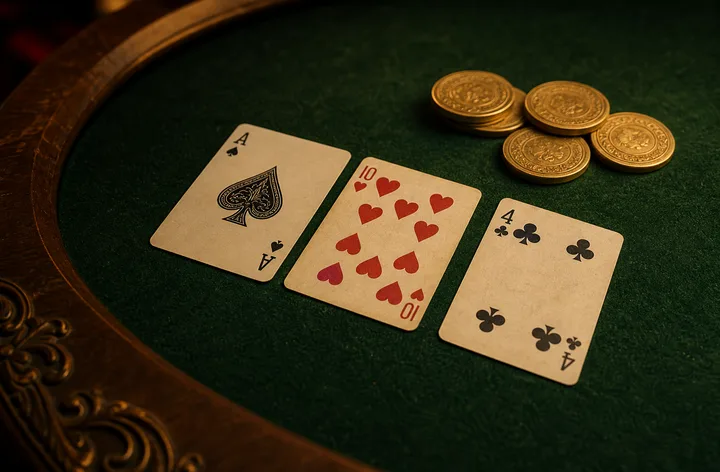
Timeline
Deal → boot → blind/seen → show
- Deal — Dealer gives three face-down cards to each player clockwise.
- Boot — Everyone posts the agreed ante into the pot using virtual chips.
- Blind or seen — Players bet in turn: blind (without looking) or seen (after looking, usually at double blind rate).
- Chaal or pack — Stay in with a chaal bet or pack (fold) if the hand is too weak.
- Show — When two players remain, compare three-card ranks; highest hand wins the pot counters.
| Action | Meaning | Practice note |
|---|---|---|
| Blind | Bet without seeing cards | Lower stake multiplier in most house rules |
| Seen | Look, then bet | Often 2× blind unit — confirm locally |
| Chaal | Continue in the round | Say it clearly at friends tables |
| Pack | Fold | No shame — saves virtual chips for next deal |
| Show | Reveal and compare | Use hand ranking chart for ties |
Glossary
Action glossary chips
House rules vary on bet multiples and side-show timing. Agree on limits before dealing — especially that chips stay virtual.
3-card panels
Example hands per step
Common slips
Beginner mistakes to avoid
House rule
Social practice boundary
TeenPattiAPKBonus teaches etiquette and ranking for adult friends learning together. It does not host gambling, process withdrawals, or guarantee winning outcomes.
Friends table
Social practice notes
When practicing how to play Teen Patti for beginners, write house rules first: boot, blind/seen multiple, side-show, and tie-breakers. Run one beginner round naming hand ranks only — it reinforces the ladder without heavy pot pressure.
On app or at home, virtual chips are counters only. Never link outcomes to cash, UPI, or withdrawals. Invite 18+ adults only. Review the hand chart if players disagree at show.
Compare uncertain hands on the ranking chart and restate house rules aloud before each new round. If two players disagree at show, pause and read the ladder together instead of arguing from memory.