Probability explainer
probability of Pair in Teen Patti
probability of Pair in Teen Patti explains how often a three-card shape appears in a standard 52-card deck deal. Probabilities help learning, not betting promises — always confirm house rules before a friends session.
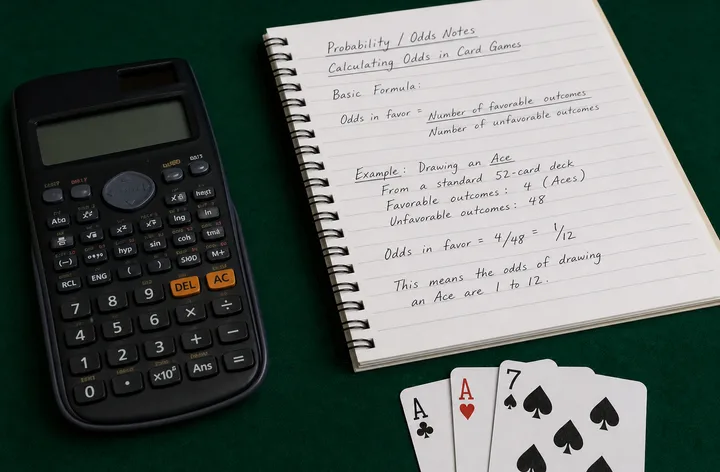
Probability snapshot
| Hand | Relative rarity |
|---|---|
| Trail | Rarest top rank |
| Pure Sequence | Very rare |
| Sequence | Uncommon |
| Colour | Uncommon |
| Pair | More common |
| High Card | Most common |
Steps
How it works
- Count deck — Start from 52 cards, three dealt without replacement.
- Isolate hand type — Filter combinations for the probability of Pair in Teen Patti focus.
- Express odds — State approximate frequency — not a win guarantee.
Actions
Standard Teen Patti actions
Card panels
Three-card examples
FAQ
Does probability of Pair in Teen Patti use 13 cards?
No — Teen Patti here is always three cards per player.
Are chips withdrawable?
No. Practice chips are counters with no cash value.
Which hand wins?
Trail beats Pure Sequence, then Sequence, Colour, Pair, High Card.
Social practice boundary
TeenPattiAPKBonus covers adult free-social Teen Patti learning with virtual chips only. No cash stakes, withdrawals, or guaranteed outcomes. Verify app mode labels against your installed build before play.
Friends table
Social practice notes
When practicing probability of Pair in Teen Patti, write house rules first: boot, blind/seen multiple, side-show, and tie-breakers. Run one beginner round naming hand ranks only — it reinforces the ladder without heavy pot pressure.
On app or at home, virtual chips are counters only. Never link outcomes to cash, UPI, or withdrawals. Invite 18+ adults only. Review the hand chart if players disagree at show.
Compare uncertain hands on the ranking chart and restate house rules aloud before each new round. If two players disagree at show, pause and read the ladder together instead of arguing from memory.